
Search has officially entered a new era. If you’ve Googled anything lately, you’ve probably noticed a shift. AI Overviews are showing up at the top of the page, ChatGPT is answering questions that used to send people to your website, and the familiar list of blue links feels a little less powerful than it used to.
For content marketers and business owners, this isn’t just a trend. It’s a fundamental shift in how customers find information, make decisions, and discover businesses. Here’s a closer look at how AI search is reshaping content marketing in 2026 and what it means for your business going forward.

How AI Search Is Reshaping Content Marketing
The Shift from Clicks to Citations
For over two decades, the goal of content marketing has been pretty straightforward: write content that ranks on Google, earn clicks, and convert those clicks into leads or sales. That model still works, but it’s no longer the whole picture.
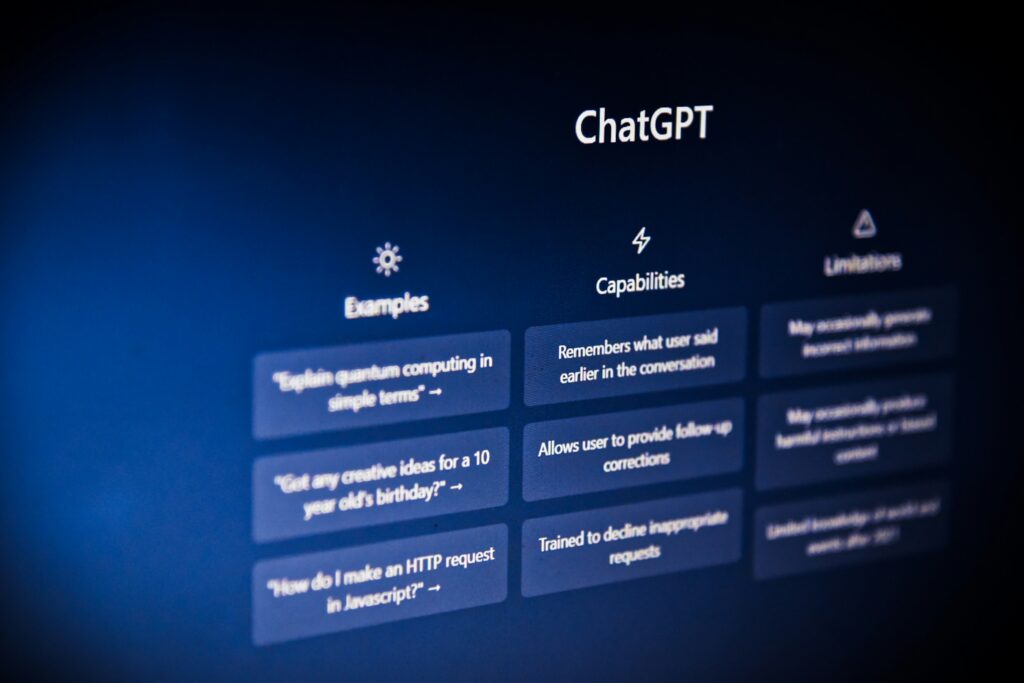
Today, AI assistants like ChatGPT, Claude, and Gemini synthesize information from multiple sources and deliver direct answers, often without the user ever clicking through to a website. That means your content doesn’t just need to rank. It needs to be the source AI pulls from. And that distinction is reshaping content marketing in some pretty major ways.
Think about it this way: a few years ago, if someone searched “best Italian restaurant in Marietta,” they’d scroll through a list of websites, click a few, read reviews, and pick one. Today, they might just ask Gemini, get a direct answer with three recommendations, and skip the scrolling entirely. If your business isn’t part of that AI-generated answer, you’re invisible before the search even happens.
The New Google Layout: Where Your Content Actually Shows Up
Here’s where things get even more interesting. Google’s search results page itself has changed dramatically, and most business owners don’t realize just how far their content has been pushed down the page.
A typical Google search in 2026 now looks something like this: paid ads at the top, followed by an AI Overview that answers the question directly, followed by the Google local map pack, followed by People Also Ask boxes, followed by Local Service Ads, and finally the traditional organic results. By the time your blog post shows up in the classic list of blue links, the user has already scrolled past five or six other opportunities to find their answer.
Imagine someone searching for “how to unclog a drain.” They used to see a list of helpful blog posts. Today, they see a Google Ad for a plumbing service, an AI Overview with three bullet points answering the question, a map pack showing nearby plumbers, a Local Service Ad with Google Guaranteed plumbers, and only then a blog post with the actual how-to. That’s a lot of real estate your content has to compete with just to be seen.
This is why strong content marketing in 2026 means more than just publishing blog posts. It means strategically placing your business across every spot on the page, from AI Overviews and organic rankings to Google Business Profile listings, paid ads, and Local Service Ads. Visibility is now a multi-channel game.

Why Organic Traffic Patterns Are Changing
AI search is reshaping content marketing most noticeably through its impact on organic traffic. Many businesses have watched click-through rates drop over the last year, even when their rankings stayed the same. The reason? When AI generates a direct answer, users often get what they need without visiting the source.
That doesn’t mean organic traffic is dead. In fact, HubSpot’s recent research shows that over 92% of marketers are already investing in both traditional and AI-powered search optimization, because the businesses showing up across both channels are the ones gaining visibility, authority, and new customers. It just means the game has changed. Rankings alone aren’t enough. Your content now has to earn citations, mentions, and authority across multiple platforms.
What AI Search Rewards (and What It Doesn’t)
Here’s where it gets interesting. The content that performs best in AI search isn’t dramatically different from the content that performs well in traditional SEO, but there are some key shifts worth paying attention to.
AI assistants reward content that is clear, informative, and directly answers specific questions. That means long-form posts with real depth, strong structure, and thoughtful subheadings tend to earn more citations than thin, keyword-stuffed articles. It also means authority matters more than ever. If your brand is referenced consistently across your website, Google Business Profile, social channels, and other listings, AI is more likely to see you as a trusted source worth citing.
On the flip side, AI tends to ignore shallow, repetitive, or vague content. For example, a blog post titled “10 Tips for Great Marketing” with one-sentence bullet points will barely register. But a well-structured post titled “How to Build a Marketing Strategy for Your HVAC Business in 2026” with clear sections, real examples, and specific advice will get cited again and again.
How Content Marketing Strategy Needs to Evolve
If AI search is reshaping content marketing, then content strategy has to evolve too. Here’s what we’re seeing work best for the businesses adapting to this shift.
Lead With Clear Questions and Clear Answers
AI assistants pull from content structured around real questions. That means your blog posts should include direct, question-based headers (like FAQ sections) and clear, concise answers that are easy to extract. The days of burying the answer in paragraph eight are over.
Go Deeper, Not Wider
Short, surface-level content is losing ground. Instead, focus on fewer, longer posts that fully explore a topic. Pillar-style posts that answer multiple related questions in one place are especially effective for earning both AI citations and traditional rankings.
Build Authority Across Channels
AI search doesn’t just pull from your website. It pulls from your Google Business Profile, your reviews, your social content, and even your mentions on third-party sites. That means content marketing in 2026 is bigger than blogging. It’s about building a consistent, authoritative presence everywhere your brand shows up.
Pair Content With Paid Visibility
Because paid ads and Local Service Ads now sit above traditional organic results, pairing great content with a strategic paid ads strategy is one of the most effective ways to dominate the full page. Think of your content as your long-term play and your ads as your short-term megaphone. Together, they get your business seen more often, by more of the right people.
Treat Content as a Long-Term Asset
Great content earns traffic, citations, and leads for years when it’s done right. The businesses winning in AI search are the ones treating content as a long-term investment rather than a short-term output.
What This Means for Your Business
For most businesses, the biggest takeaway here is this: content marketing is more important than ever, but it has to be strategic. Simply pushing out blog posts every month isn’t enough to compete anymore. Every piece of content you create should be built with intention, structured for both humans and AI, and designed to establish your brand as a trusted authority in your industry.
The businesses that adapt now will own the next decade of search visibility. The ones that wait will spend years trying to catch up to competitors who got in early.
Quick FAQs
How is AI search changing content marketing?
AI search is shifting content marketing from a click-based model to a citation-based model. Instead of simply ranking in search results, your content now needs to be the source AI assistants pull from when generating answers.
Will AI search replace traditional SEO?
No, but it’s expanding what SEO means. The most effective strategy today combines traditional SEO fundamentals with AI Search Optimization, so your business shows up across both channels.
How has Google’s search layout changed in 2026?
Google now serves paid ads, AI Overviews, Local Service Ads, map pack listings, and People Also Ask boxes above the traditional organic results. That means your blog content often appears much lower on the page, which is why multi-channel visibility matters more than ever.
What kind of content performs best in AI search?
Long-form, informative content that directly answers specific questions, uses clear structure, and demonstrates real authority. Posts with FAQ sections, strong subheaders, and genuine depth consistently outperform shallow content.
Do paid ads affect how my content performs?
Yes, in a sense. Paid ads and Local Service Ads now occupy prime real estate at the top of search results, pushing organic content further down the page. Pairing strong content with a strategic ads campaign gives your business more chances to be seen.
Can small businesses compete in AI search?
Absolutely. In many ways, small and local businesses have an advantage, because AI assistants reward authentic, authoritative content over generic corporate messaging. Starting now gives you a significant edge over slower-moving competitors.

Ready to Future-Proof Your Content Marketing?
At Searched Marketing, we’ve spent 22 years helping businesses tell their story, grow their visibility, and drive real results. Today, we’re combining proven SEO fundamentals with the strategies AI search demands, so our clients stay visible across traditional search engines and the AI platforms shaping the next decade.
If you’re ready to understand how AI search is reshaping content marketing for your industry and build a strategy that keeps you ahead of the shift, reach out to Searched Marketing today. We’ll build you a content plan designed for long-term growth, backed by proven expertise, transparent reporting, and results we can measure.
